The Savior
Five things whales do for our environment
Food
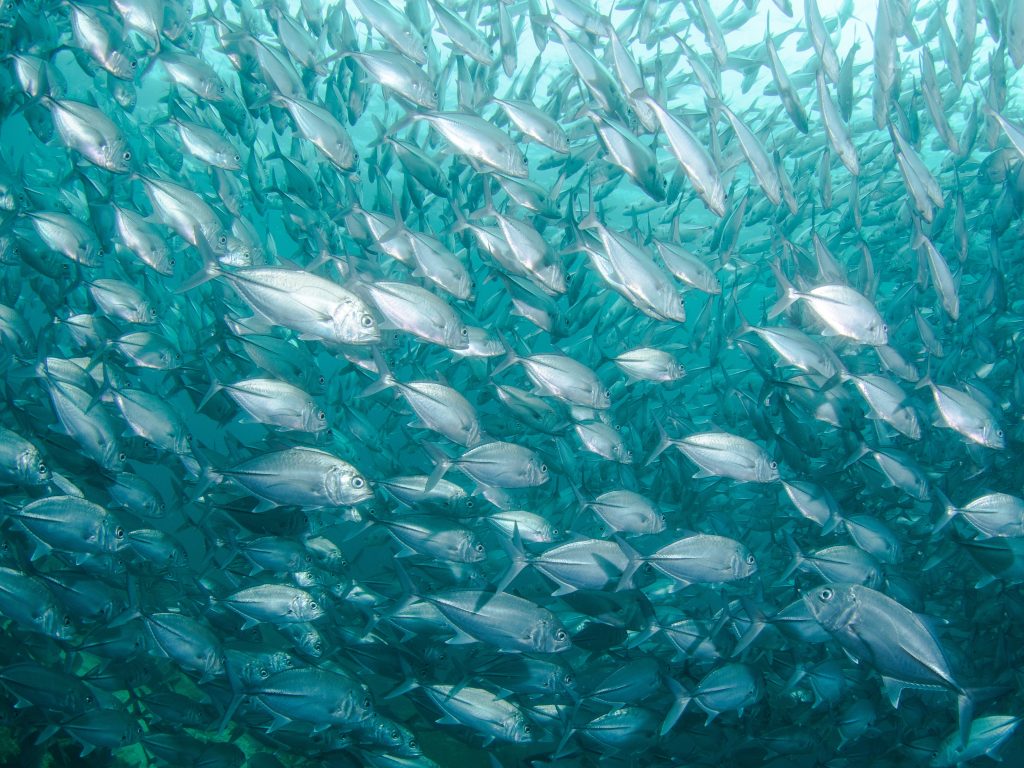
Throughout their lives, whales help to keep the ocean’s food chains healthy. This supports the growth of fish populations, which in turn benefits the fishing industry.
Reproduction
Many whales migrate from nutrient-rich to nutrient-poor areas for reproduction. Here, they release mainly urea. The nitrogen-rich organic substance, together with the sunlight, stimulates the growth of phytoplankton.
Phytoplankton
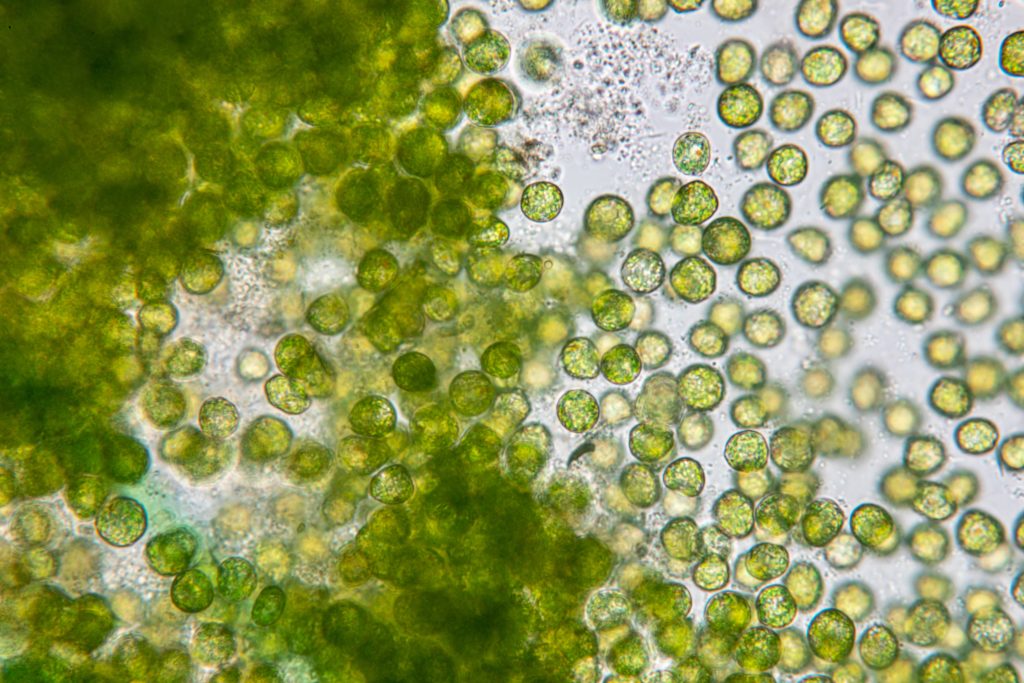
Whales dive to find food and come to the surface to breathe. They also excrete their feces, which is rich in nitrogen, phosphorus, and iron, serving as food for phytoplankton.
Carbon
All living organisms are made up of carbon molecules. During their lifetime, they act as CO2 storage. The larger they are and the longer they live, the more carbon they store.
Seabed
When large marine mammals die, they sink to the seabed. The large amount of carbon contained in their carcasses supports local ecosystems and is incorporated into marine sediments.